
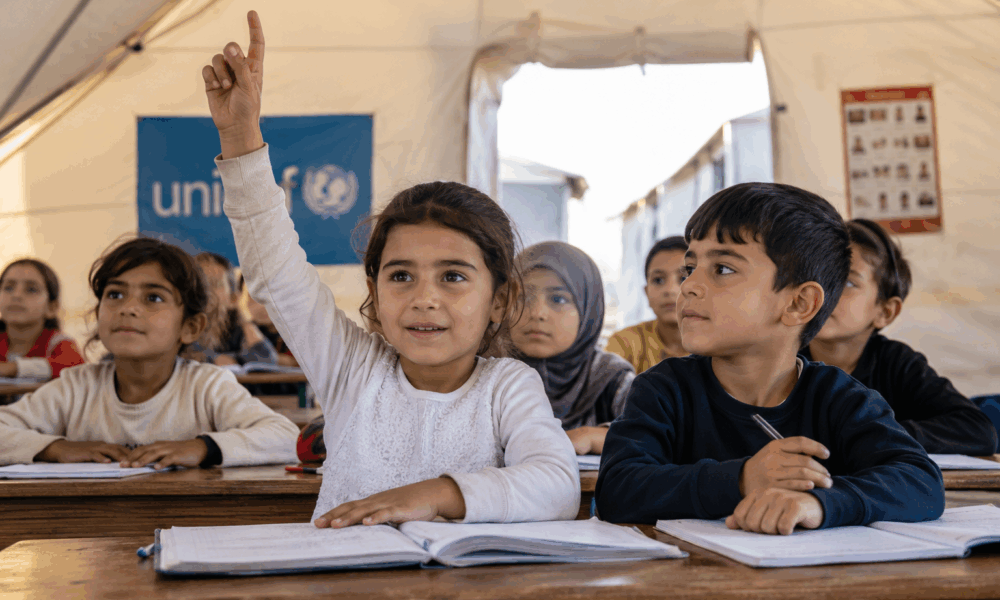
Protect the Classroom, Change the Future
Safeguarding education is one of the world’s most powerful investments in peace.
Every child deserves a classroom where curiosity can flourish without fear. Yet for millions of children living in conflict zones, going to school can be one of the most dangerous parts of the day. On September 9, the International Day to Protect Education from Attack reminds the world that education is more than a human right. It is a lifeline, a source of hope, and one of the strongest foundations for lasting peace.
While the challenges are real, this international day is ultimately a celebration of global action. It reflects the growing commitment to ensure that schools remain places of learning rather than targets of violence.
Why This Day Matters
Armed conflict continues to disrupt education across many parts of the world. Schools and universities can be damaged or destroyed, teachers threatened, and students forced to abandon their studies. According to the United Nations, in 2022 and 2023, around 6,000 attacks targeted students, educators, and educational institutions, while attacks on schools have continued to rise in recent years.
Behind every statistic is a child whose dreams have been interrupted. Yet history also shows that education is remarkably resilient. Even in the most difficult circumstances, communities, teachers, and families continue to find ways to keep learning alive.
A Day Born from Hope
Recognizing both the urgency of the problem and the power of education, the United Nations General Assembly unanimously established the International Day to Protect Education from Attack in 2020 through Resolution 74/275. The initiative, presented by the State of Qatar and co-sponsored by 62 countries, called on UNESCO and UNICEF to lead global awareness efforts and encourage stronger protection for students and educators.
The day sends a powerful message: education should never become a casualty of war. Instead, classrooms should remain safe spaces where young people can build knowledge, confidence, and hope for a brighter future.
Protecting Education Protects Peace
Education does far more than teach mathematics, science, or literature. It helps children recover from trauma, creates a sense of normality during crises, and equips future generations with the skills needed to rebuild communities.
As UNESCO notes, schools are pathways to peace and development. Protecting education today helps prevent future cycles of violence by giving young people opportunities instead of despair.
Encouragingly, governments, humanitarian organizations, and educators are increasingly working together to make schools safer through stronger international cooperation and better emergency planning.
Solutions that Are Making a Difference
There is genuine reason for optimism. Around the world, practical initiatives are helping safeguard education, even in areas affected by conflict.
One of the most important is the Safe Schools Declaration, an international political commitment that encourages governments to better protect students, teachers, and educational facilities during armed conflict. Countries that endorse the declaration commit to reducing the military use of schools and strengthening measures that keep children learning safely.
Other promising solutions include:
- building schools that are more resilient to conflict and disasters
- expanding digital and distance-learning opportunities when classrooms cannot safely open
- providing psychosocial support for children affected by violence
- training teachers to respond to emergencies
- increasing international investment in education during humanitarian crises.
These efforts demonstrate that protecting education is not simply about responding to emergencies. It’s about investing in peace.
Every Classroom Is Worth Protecting
The International Day to Protect Education from Attack reminds us that every school preserved, every teacher supported, and every child able to continue learning represents a victory for humanity.
Conflict may threaten classrooms, but it has not diminished the world’s determination to defend them. By supporting safe schools, strengthening international cooperation, and recognizing education as a fundamental human right, we help ensure that the next generation grows up with books instead of fear, opportunity instead of uncertainty, and hope instead of conflict.
Because when we protect education, we don’t just protect today’s students. We help build tomorrow’s more peaceful world.