
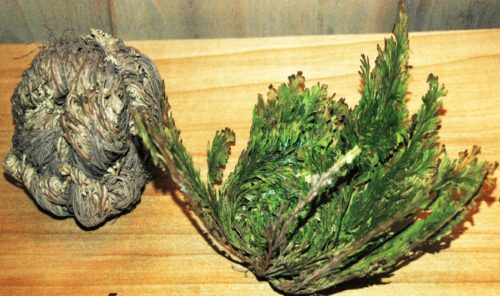
Drought-defying plants could transform agriculture and food security in a changing climate. As the world faces intensifying climate challenges, from prolonged droughts to erratic rainfall patterns, scientists and policymakers are increasingly turning to nature-based solutions. Among the most fascinating of these are resurrection plants, a group of flora that can survive extreme dehydration and come […]
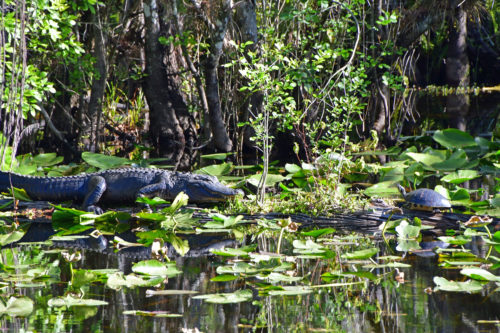
Today is the perfect day to celebrate biodiversity: it’s the International Day for Biological Diversity! But why should biodiversity matter to you? Here are five big reasons (according to our friends at Conservation International): The ecosystems we all rely on cannot survive and thrive without wildlife. Humans cannot stay healthy without intact biodiverse systems. It is […]

International Day of Plant Health: Protecting Plants, Protecting Life As you tend your vegetable garden, choose your vegetables and fruits, or prepare your meal, take some time to consider where your food comes from and what you can do to protect biodiversity to feed yourself, your family, and your community. Healthy Plants, Healthy Planet Today, […]

The World of Pulses: Small Seeds, Big Achievements Who would have thought? Today, February 10, is World Pulses Day! The theme this year is: “Pulses of the world: from modesty to excellence.” But, really? A day to celebrate pulses? Yes, because, according to the Food and Agriculture Organization of the United Nations (FAO), pulses play […]
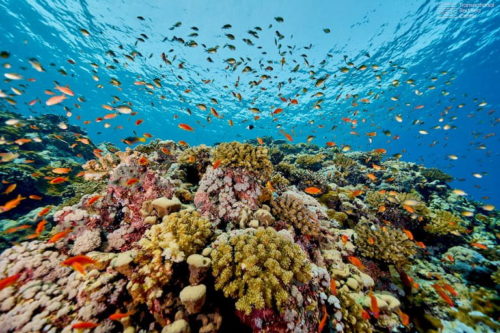
Protecting the Red Sea’s Climate-Resilient Corals Here’s some rare environmental good news. An initiative based in Switzerland is helping safeguard one of the planet’s most climate-resilient coral reef systems at a moment when reefs worldwide are in steep decline. Coral reefs are diverse underwater ecosystems built by tiny coral animals that secrete limestone skeletons, forming […]
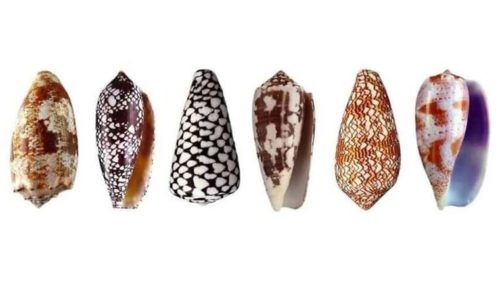
How Cone Snail Toxins Are Shaping the Future of Medicine Marine cone snails, often admired for their striking shells but feared for their venomous sting, are proving to be invaluable to modern science. These snails can grow up to 9 inches (22 cm) long and are found in tropical waters around the Indian and Pacific […]

What’s all the buzz about? Here’s a honey of a fact: bee populations are starting to rebound in some areas, thanks to conservation efforts, pesticide bans, and increased awareness. In parts of Europe where neonicotinoid pesticides have been restricted, bee numbers have shown signs of recovery. Even urban gardens and community wildflower projects have become […]
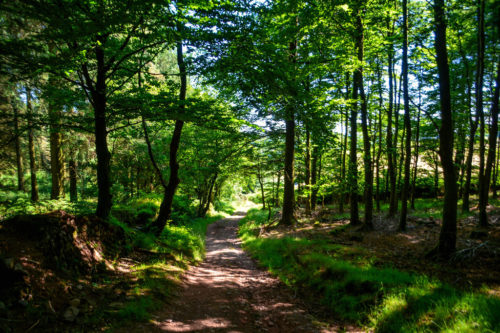
The UK government has announced the creation of its first new national forest in 30 years: the Western Forest. This ambitious project will see 20 million trees planted on 2,500 hectares (6,177 acres) in the west of England by 2050. It is part of a “national forest” drive encompassing areas in Gloucestershire, Wiltshire, Somerset, and […]
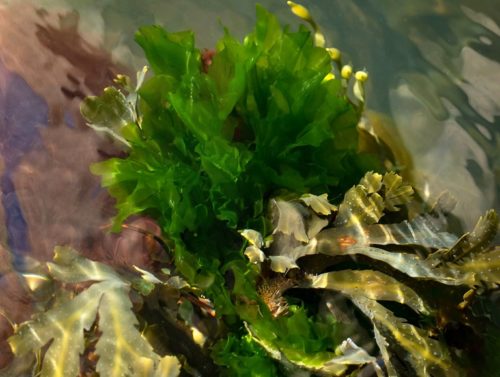
Why is seaweed remarkable? After all, it’s just a vegetable that grows in the ocean and places like rivers, lakes, and other bodies of water. It’s common, including countless species of marine plants and algae. Many types exist, classified as red (Rhodophyta), green (Chlorophyta), and brown (Phaeophyta) algae. Typical types of edible seaweeds include Wakame, […]
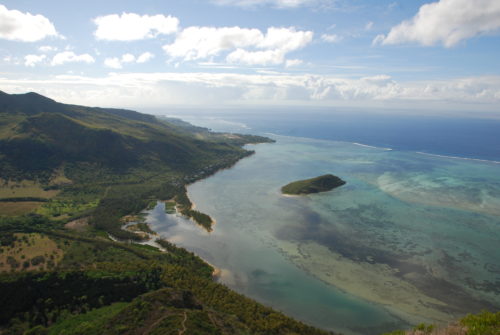
Before photos, there were drawings. They ranged from cave drawings of animals like lions, bison, mammoths, horses, and warty pigs, to illustrations in early Victorian botanical journals of the natural world, portraying meticulously described species that served to document life on earth. These drawings brought living things in distant and close destinations to all those […]