
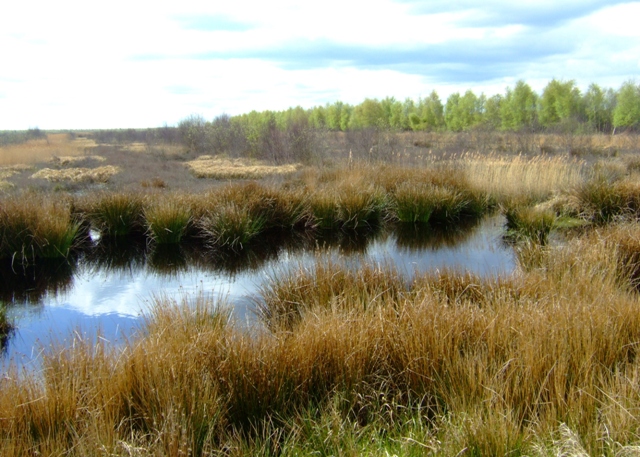
The Secret Superpower of Bogs: Nature’s Most Overlooked Climate Hero
Silent, soggy, and essential, bogs may be one of our most powerful climate allies.
When thinking about carbon capture and natural solutions to the climate crisis, most people immediately picture lush forests or vast ocean systems.
Yet one of the most powerful, and often overlooked, carbon sinks on Earth lies in the waterlogged, squelchy grounds of bogs. These unique ecosystems play a disproportionately large role in sequestering carbon dioxide and helping stabilize the climate. Understanding what bogs are, how they function, and why they urgently need protection and regeneration is critical in the fight against global warming.
What Are Bogs?
Bogs are a type of wetland that forms in cool, moist climates, typically over thousands of years. They are characterized by the accumulation of peat, a dense, organic material formed from partially decomposed plant material, primarily sphagnum moss. Unlike other wetlands, bogs receive water solely from precipitation rather than streams or groundwater, which gives them a low-nutrient, acidic environment.
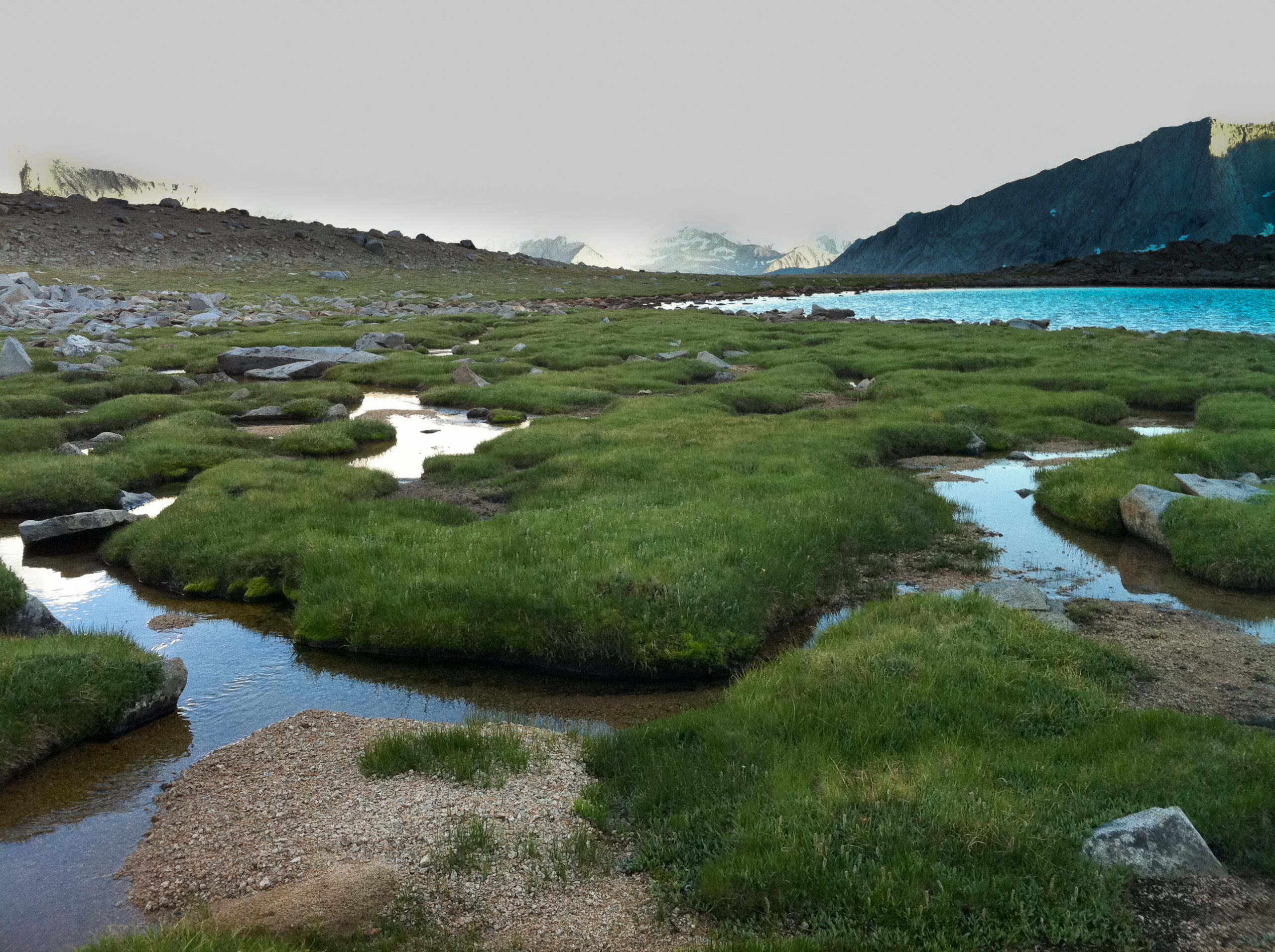
Alpine bogs (Photo: Peretz Partenskyisco, CC BY-SA 2.0 license via Wikimedia Commons)
Despite their seemingly inhospitable conditions, bogs are home to a unique variety of flora and fauna. Carnivorous plants like sundews and pitcher plants thrive in them, as do many bird species and insects. However, their real environmental superpower lies beneath the surface.
Bogs as Carbon Capturers
Peat bogs are among the most efficient terrestrial carbon sinks on the planet. They store an astonishing amount of carbon in their waterlogged soils. Because of the saturated, oxygen-poor conditions, dead plant matter in bogs decays extremely slowly. Instead of releasing carbon dioxide back into the atmosphere, it gets locked away for millennia.
According to the International Union for Conservation of Nature (IUCN), although peatlands (which include bogs, fens, and mires) cover only about 3% of the Earth’s land surface, they store more carbon than all of the world’s forests combined. Specifically, they contain over 600 gigatonnes of carbon, representing almost twice (44%) the carbon stored in the world’s soils, and more carbon than in all other types of vegetation, including forests, which cover 31% of land area.
To put this in perspective:
- One hectare of deep, healthy peatland can store over 3,000 tonnes of carbon (peat that is one meter (3.28 feet) deep typically contains around 500 tonnes of carbon per hectare).
- In contrast, peer-reviewed forest ecology research estimates that in many temperate forests, above-ground biomass stores around 100-200 tonnes of carbon per hectare, with additional carbon stored in soils.
Healthy peatlands store exceptionally large quantities of carbon per hectare because the carbon accumulates in deep peat soils over thousands of years. The amount of carbon stored in a hectare of forest varies widely by climate, species, and age. But, by comparison, much of a forest’s carbon is stored in living vegetation rather than in deep soils.
Threats to Bogs
Despite their significance, bogs have been heavily degraded across the globe. The main causes include agricultural expansion, peat extraction for fuel and horticulture, drainage, and development. For instance, roughly 80% of UK peatlands are now degraded through drainage, extraction, burning, or conversion to farmland and forestry. Globally, an estimated 15% of peatlands have been drained or degraded.
When bogs are drained, the carbon-rich peat is exposed to oxygen, accelerating decomposition and releasing CO₂ and methane into the atmosphere. The IUCN reports that degraded peatlands currently emit approximately 2 gigatonnes of CO₂-equivalent annually, or about 5% of global human-caused greenhouse gas emissions. This is despite the fact that degraded peatlands occupy only around 0.3% of the world’s land surface.
Regeneration and Protection: A Climate Imperative
Given the immense carbon storage potential and the dangerous emissions from degraded bogs, restoration is not just beneficial – it’s essential. Regenerating bogs involves rewetting drained peatlands, halting peat extraction, and restoring natural vegetation. This includes encouraging the growth of sphagnum mosses, which are critical to peat formation.
Countries like the UK, Ireland, and Finland have begun major peatland restoration programs. For example, the UK’s Great North Bog project aims to restore nearly 7,000 square kilometers (±2,700 square miles) of upland peatland across northern England. The goal is not just carbon storage but also biodiversity recovery and flood mitigation.
Restored bogs begin to reduce carbon emissions quickly and within decades can return to being net carbon sinks. According to Wetlands International, a non-profit organization dedicated to conserving and restoring these semi-aquatic ecosystems, rewetting peatlands rapidly reduces greenhouse gas emissions by restoring the waterlogged conditions that prevent peat from decomposing. However, rebuilding peat layers is a much slower process that takes centuries.
Co-Benefits: More Than Just Carbon Storage
Beyond climate change mitigation, bogs offer numerous environmental co-benefits:
- Water regulation: Bogs act like sponges, storing and slowly releasing water, reducing flood risk and maintaining water quality.
- Biodiversity hotspots: Bogs support rare and endangered species, some of which are found nowhere else.
- Cultural value: Peat bogs have archaeological significance, preserving ancient artifacts and even entire human bodies due to their anaerobic conditions.
A Call to Action
Protecting existing bogs and restoring damaged ones is one of the most cost-effective and impactful climate actions available. The UN Environment Programme and the Global Peatlands Initiative describe peatland restoration as a low-cost, high-impact nature-based solution for climate change mitigation. It also offers significant emissions reduction potential and multiple co-benefits.
Today, Bog Day, marked each year on the fourth Sunday in July, offers a timely moment to spotlight their importance. As individuals, supporting bans on peat-based composts, advocating for sustainable land use, and raising awareness about peatlands’ role can make a difference. For governments and corporations, aligning restoration initiatives with climate pledges under the Paris Agreement throughout the year is not just wise policy. It’s an urgent necessity.
The Quiet Climate Giant
Bogs are among Earth’s unsung environmental heroes, quiet, soggy, and remarkably effective at trapping carbon for thousands of years. While forests capture the public imagination, it’s time bogs took their rightful place in our climate strategies.
Peatlands cover only around 3% of the Earth’s land surface, but they silently hold more carbon than all the world’s forest biomass combined. Bogs are a vital part of this extraordinary natural carbon reservoir. Protecting and restoring them could very well be one of our most powerful tools in the fight against climate change.