
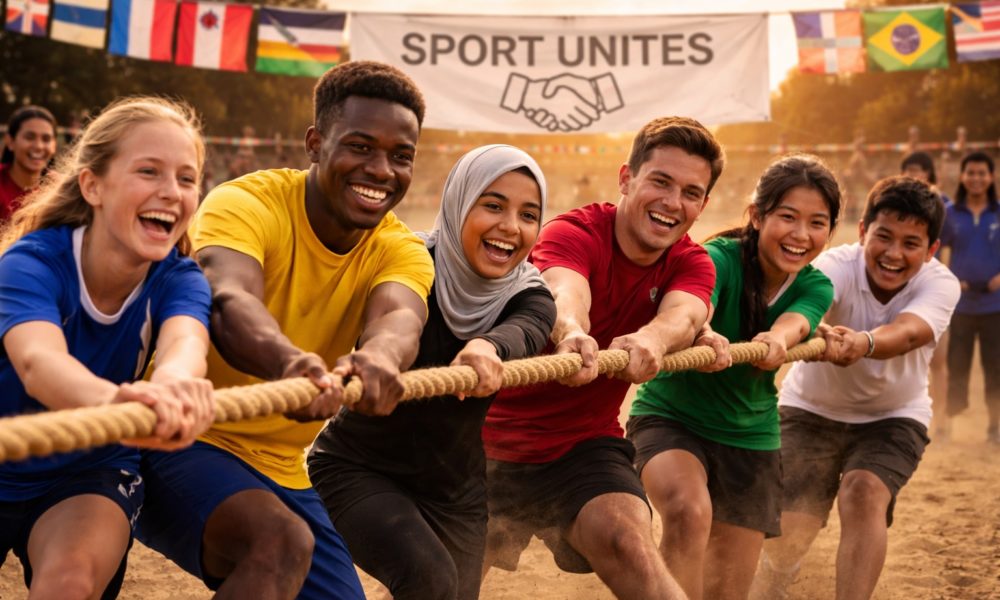
Playing for Peace: How Sport Unites the World
From local pitches to global movements, sport is building bridges where words sometimes fail.
Every year on April 6, the world celebrates the International Day of Sport for Development and Peace. It’s a reminder that a simple game can do something extraordinary: bring people together.
This global observance was officially declared by the United Nations in 2013 to spotlight the powerful role sport can play in advancing peace, human rights, and sustainable development. The date itself commemorates the opening of the first modern Olympic Games in 1896, symbolizing sport’s long-standing connection to unity and international cooperation.
Why sport?
Many consider sport a “universal language,” and for good reason. It transcends borders, cultures, and even conflict. According to the United Nations, sport’s massive global reach and foundation in values like fairness, teamwork, and respect make it uniquely positioned to foster dialogue and social change.
Even more compelling is its accessibility. Sport is considered a “low-cost and high-impact tool” for development and peacebuilding, used by governments, non-governmental organizations, and communities worldwide. Whether it’s a football/soccer match in a refugee camp or a community run in a divided city, sport creates safe spaces where trust can grow.
A force for global good
The importance of this day goes beyond symbolism. Sport is now recognized as a key contributor to the UN’s Sustainable Development Goals, supporting health, education, gender equality, and social inclusion.
Its impact is tangible. Billions of people worldwide engage with sport as players, fans, or volunteers, making it one of the most influential social platforms on the planet. That reach allows sport to shape attitudes, challenge prejudice, and inspire cooperation on a massive scale.
Real-world examples of sport for peace
Around the world, inspiring initiatives are putting these ideals into action:
- Football for the Goals (UN initiative): This global platform mobilizes the football community, from grassroots clubs to professional leagues, to promote sustainability and peace through sport.
- The Homeless World Cup: This annual international football tournament brings together teams made up of people facing homelessness. It offers not just competition but pathways to confidence, employment, and social inclusion. Studies linked to the initiative show that many participants experience significant positive life changes after taking part. They highlight sport’s power to restore dignity and rebuild lives.
- Running programs for inclusion: Projects like inclusive running clubs bring together people with and without disabilities, fostering understanding and breaking down social barriers.
- International friendship events: From multicultural marathons to youth tournaments, events regularly unite participants from dozens of countries, encouraging dialogue and mutual respect beyond political divides.
- Campaigns against violence and discrimination: The International Olympic Committee and other organizations across the sports world use their platforms to promote equality, challenge racism, and advocate for peaceful communities.
Each of these examples shows how sport can turn shared passion into shared progress. They also demonstrate how even the most marginalized communities can find a voice through play.
More than a game
At its heart, the International Day of Sport for Development and Peace is about possibility. This year’s theme captures that spirit perfectly: “Sport: Building Bridges, Breaking Barriers.” It shows how a ball, a field, or a race can become a shared meeting ground for empathy and cooperation.
In a world often divided by differences, sport reminds us of something simple but powerful: we all play by the same rules.
And sometimes, that’s exactly where peace begins.