
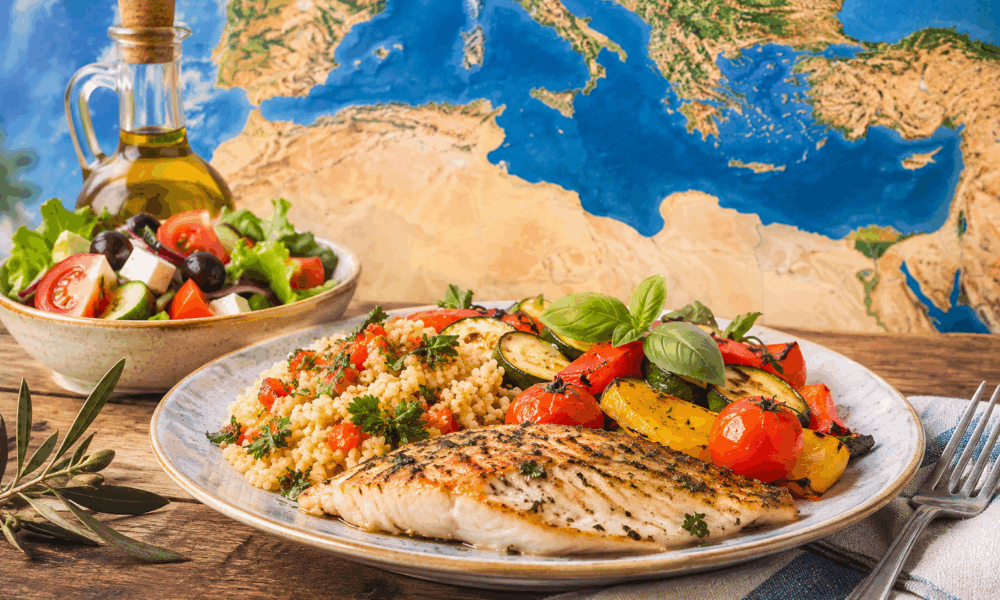
The Mediterranean Diet: A Recipe for a Healthier, Happier Life
Inspired by the traditional foods and lifestyle of Mediterranean communities, this way of eating offers more than delicious meals. Scientific research increasingly links it to better heart health, a longer life, and benefits for the brain and mental well-being.
A Way of Eating with a Rich Heritage
Fresh tomatoes, crisp vegetables, fragrant herbs, olive oil, fish, nuts, and sun-ripened fruit: the Mediterranean diet brings together some of the world’s most appealing foods. But its appeal goes beyond flavor. Decades of scientific research have established it as one of the healthiest eating patterns for supporting long-term physical and mental well-being.
Inspired by the traditional eating habits of people in countries bordering the Mediterranean Sea, including Greece, Italy, Spain, and southern France, this eating regimen reflects a rich culinary heritage. It is not a rigid diet or a weight-loss program. Rather, it is a flexible approach to eating that emphasizes variety, fresh ingredients, and balance. Although no single Mediterranean menu exists since the food traditions differ across the region, the underlying principles are remarkably consistent.
The United Nations has designated November 16 as the International Day of the Mediterranean Diet, recognizing the importance of this dietary tradition and encouraging greater awareness of its benefits. The designation was established in 2025 through UN General Assembly Resolution A/RES/80/174.
What Goes into a Mediterranean Diet
This eating pattern centers on predominantly plant-based foods. Olive oil serves as the principal source of added fat. Fresh vegetables and fruits, whole grains, beans and other legumes, nuts, and seeds form the foundation of everyday meals. Extra-virgin olive oil is used for cooking and dressing salads, while herbs and spices such as oregano, basil, rosemary, garlic, and cumin add flavor.
Fish and seafood feature regularly, while poultry, eggs, yogurt, and cheese appear in moderate amounts. Red meat, processed meats, sweets, and highly processed foods play a smaller role. Water is the daily refreshing drink of choice.
Importantly, the Mediterranean diet is about more than individual ingredients. It also encourages cooking with seasonal produce and enjoying meals with family and friends. Other key principles include eating mindfully and incorporating regular physical activity into daily life. Wine is traditionally consumed in some Mediterranean cultures. But it is not essential to the diet and there is no health reason to start drinking alcohol.
Simple Ways to Embrace the Mediterranean Diet
Adopting a Mediterranean-style diet does not require a complete change in eating habits. Small, gradual adjustments can make a meaningful difference. The following practical steps offer an easy starting point:
- Make vegetables the star: Include plenty of different vegetables in everyday meals, varying the colors and choosing fresh, seasonal produce whenever possible.
- Rethink meat portions: Enjoy meat in smaller quantities, using it to complement a dish rather than making it the main attraction.
- Choose dairy thoughtfully: Include plain yogurt, particularly fermented varieties such as Greek yogurt, and enjoy cheese in moderate portions.
- Eat fish and seafood regularly: Aim for two servings a week, including oily fish such as sardines, salmon, and tuna, as well as shellfish.
- Try a meat-free day: Build at least one weekly meal around beans, lentils, whole grains, and vegetables, using herbs and spices to add flavor.
- Choose healthy fats: Use extra-virgin olive oil as your main cooking and dressing oil, and include nuts, seeds, olives, and avocados in your meals.
- Opt for whole grains: Replace refined grains with more nutritious alternatives, such as bulgur, brown rice, and whole-grain bread.
- Finish meals with fruit: Enjoy fresh, seasonal fruit such as figs, oranges, grapes, apples, and pomegranates for dessert, keeping sugary treats for occasional enjoyment.
These changes are easy to introduce gradually and can help turn healthy eating into an enjoyable, sustainable everyday habit.
Benefits for the Heart and Body
One of the strongest arguments for adopting a Mediterranean-style diet is its positive effect on cardiovascular health.
A landmark study known as PREDIMED, published in the New England Journal of Medicine in 2018, followed 7,447 people at high cardiovascular risk. Participants who consumed a Mediterranean diet supplemented with extra-virgin olive oil or nuts had approximately a 30% lower risk of major cardiovascular events, including heart attacks and strokes. The risk was lower than among participants who followed a reduced-fat diet. These findings support the value of this eating pattern in preventing cardiovascular disease.
Other research has linked the diet to improved blood pressure, cholesterol levels, and blood sugar regulation. Its combination of fiber-rich plant foods, healthy fats, and minimally processed ingredients may also help reduce inflammation and improve insulin sensitivity. These effects may contribute to a lower risk of type 2 diabetes. A review of clinical trials published in 2026 highlights its potential role in preventing and managing several chronic conditions.
The benefits may extend to healthy aging, too. By providing a wide range of vitamins, minerals, antioxidants, and healthy fats, the diet supports overall health and may help reduce the risk of age-related chronic diseases.
Nourishing the Brain and Mind
The Mediterranean diet may also benefit cognitive function and mental well-being.
Studies suggest that its nutrient-rich foods support brain health. Omega-3 fatty acids from fish, antioxidants from fruits and vegetables, and healthy fats from olive oil and nuts may help protect brain cells and reduce inflammation.
A systematic review and meta-analysis found that greater adherence to the Mediterranean diet was associated with a lower risk of mild cognitive impairment and Alzheimer’s disease. Some clinical trials have also reported improvements in memory and other cognitive abilities. But more long-term research is needed to establish its protective effects.
The relationship with mental health is promising but less conclusive. A 2025 synthesis of five randomized controlled trials involving 1,507 participants found that Mediterranean diet interventions were associated with reduced depressive symptoms. However, the researchers stressed that the quality of the evidence was limited and further studies are needed.
Enjoying the Benefits, One Meal at a Time
Perhaps one of the Mediterranean diet’s greatest strengths is that it does not rely on strict rules, calorie counting, or eliminating entire food groups. Instead, it encourages people to enjoy a wide variety of nutritious foods and make healthier choices part of everyday life.
Simple ways to embrace its principles include enjoying a colorful vegetable salad dressed with olive oil or a bowl of lentil soup. Grilled fish served with whole grains is another delicious option. Fresh fruit and nuts make healthy dessert choices.
Ultimately, the Mediterranean diet is as much about enjoying food and sharing meals as it is about nutrition. Its combination of wholesome ingredients, culinary pleasure, and conviviality offers an appealing reminder that eating well need not be complicated. It can be one of life’s everyday pleasures and a meaningful investment in long-term health.
