
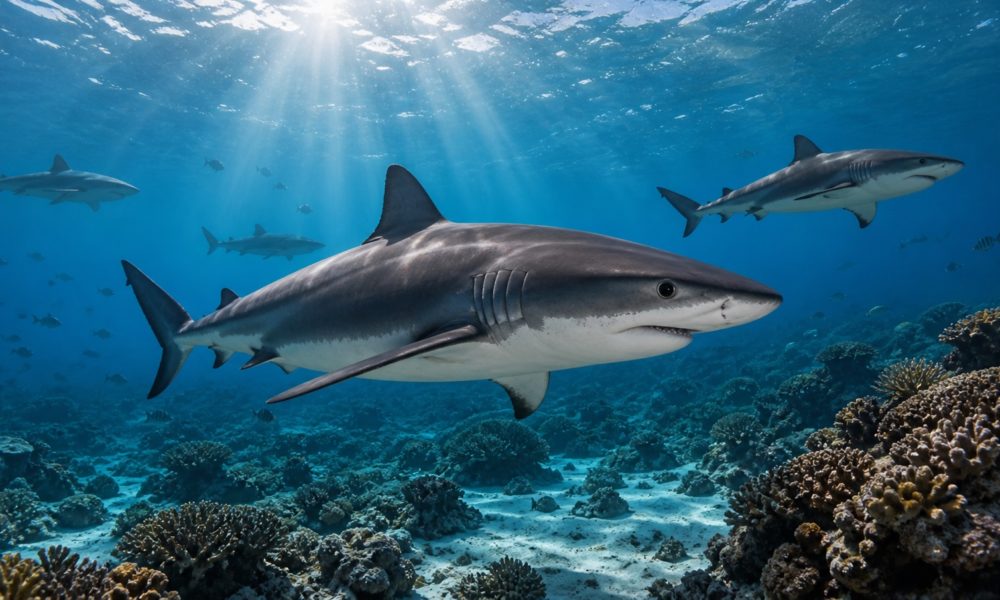
Sharks Matter: Guardians of the Ocean
When you think of sharks, you might picture the dramatic scenes from movies like Jaws. But in reality, sharks are some of the most important, and fascinating, animals on Earth. These ancient creatures are essential to the health of our oceans and showcase incredible biological adaptations that have helped them survive for hundreds of millions of years.
So why exactly do sharks matter, what makes them so amazing, and why is protecting them vital for our planet’s future?
Why Sharks Are So Important
They keep ocean ecosystems balanced. Sharks are apex predators, which means they sit at the top of the food chain. By keeping populations of other marine animals in check, they help maintain healthy, balanced ecosystems. Without these fish, certain species can overpopulate, damaging coral reefs, seagrass beds, and other vital habitats.
They help maintain healthy fish populations. Sharks often prey on the sick, weak, or injured. This natural form of population control helps prevent the spread of disease and ensures that fish populations remain strong and resilient. This benefits not just marine ecosystems but fisheries and the communities that rely on them.
They support coral reefs and seagrass beds. Sharks indirectly help protect seagrass meadows and coral reefs by influencing the behavior of other species. When they are present, for example, sea turtles and dugongs avoid overgrazing certain areas, allowing those ecosystems to thrive.
What Makes Sharks So Amazing
They’re ancient survivors. Sharks have been around for over 400 million years, long before the first dinosaurs appeared. They’ve survived five mass extinction events, adapting over time to become some of the most efficient predators the ocean has ever seen.
They have super senses. Sharks have an incredible array of senses. In addition to excellent smell, vision, and hearing, they can detect electric fields produced by other animals using special sensory organs called ampullae of Lorenzini. This allows them to hunt even in complete darkness.
They come in all shapes and sizes. There are over 500 known species of sharks, from the tiny dwarf lanternshark (smaller than a human hand) to the massive whale shark, which can grow up to 40 feet long. Some are deep-sea dwellers, others live near coasts, and a few can even survive in freshwater.
They’re built for speed and efficiency. Sharks are designed for movement. Their streamlined bodies, powerful tails, and unique skin texture (made up of tiny, tooth-like scales) make them incredibly efficient swimmers. Some, like the great white shark, are even capable of leaping out of the water to catch prey.
Why Protecting Sharks Is Vital
Despite their power and resilience, these animals are in trouble. Millions are killed each year due to overfishing, habitat loss, and the shark fin trade. Some species have declined by over 90% in just a few decades.
Losing sharks doesn’t just hurt the animals themselves. It disrupts entire ecosystems and threatens the health of the oceans we depend on.
Take Action for Sharks
Sharks play a critical role in keeping our oceans healthy but they need our help more than ever. We can all make a difference by supporting shark conservation efforts, spreading awareness, and making informed choices about the seafood we consume.
Get involved:
- Shark Trust – Advocating for science-based shark conservation and responsible fisheries.
- WildAid: Shark Conservation – Working to reduce global demand for shark fin and raise awareness.
- PADI AWARE Foundation – Empowering divers to protect the ocean, with a strong focus on shark protection.
- Save Our Seas Foundation – Supporting research, education, and conservation projects worldwide.
Take the first step: share this post, support these organizations, and be a voice for the ocean’s most misunderstood creatures.
Together, we can help ensure that these animals continue to thrive, for the health of the seas and the future of our planet.
The Bottom Line
Sharks aren’t just ocean predators. They’re ecological heroes, evolutionary marvels, and vital to the health of the planet. By understanding their importance and standing up for their protection, we can help ensure that these incredible animals thrive for generations to come.
Let’s celebrate sharks not with fear but with awe, respect, and action.