
Tiny Seeds, Mighty Impact: Celebrating World Pulses Day!
The World of Pulses: Small Seeds, Big Achievements
Who would have thought? Today, February 10, is World Pulses Day! The theme this year is: “Pulses of the world: from modesty to excellence.” But, really? A day to celebrate pulses?
Yes, because, according to the Food and Agriculture Organization of the United Nations (FAO), pulses play a “fundamental role in the transformation to more efficient, inclusive, resilient and sustainable agrifood systems for better production, better nutrition, a better environment, and a better life, leaving no one behind.”
What are pulses, exactly, you might ask. The FAO describes them as, “the edible seeds of leguminous plants cultivated for both food and feed. Beans (Phaseolus and Vigna), chickpeas, and peas are the most well-known and commonly consumed types of pulses, but there are several more varieties from around the world, all with great benefits for food security, nutrition, health, climate change, and biodiversity.”
A Rainbow on Your Plate: Colorful Examples of Pulses
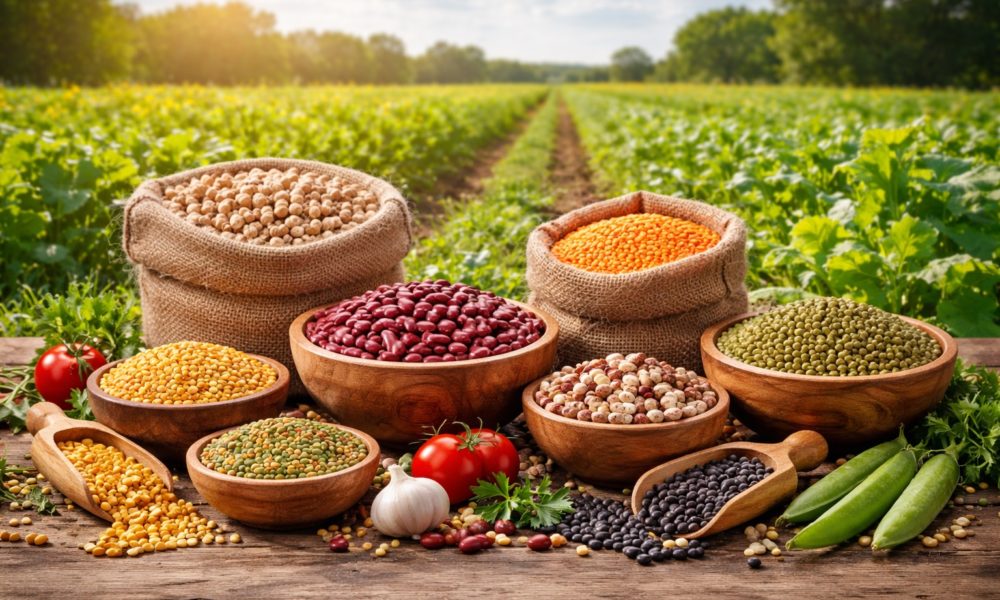
Pulses come in dazzling varieties and hues, each with its own personality. Think ruby-red lentils simmering in a fragrant curry, glossy black beans in a vibrant salad, buttery-yellow split peas in a hearty soup, or earthy brown chickpeas turned into crispy snacks. Other global stars include cowpeas, pigeon peas, and lupins, each bringing unique flavors and nutrients to tables across continents.
Why Pulses Deserve a Spotlight
But this isn’t just about tasty food. Pulses are nutritional heavyweights and ecological champions. They are a rich source of essential vitamins and minerals such as calcium, zinc, iron, potassium, and folate. They also have two to three times more plant-based protein per gram than many cereal grains, including wheat, rice, quinoa, oats, barley, and corn. This makes them invaluable in diets everywhere, especially where meat and dairy are less accessible.
Pulses have proven health benefits. They are low in fat and high in soluble fiber, which can help decrease bad cholesterol (low-density lipoprotein) as well as the risk of heart disease and stroke. In addition, they help regulate blood sugar levels and contribute to overall heart health and digestive well-being.
Seeds of Sustainability
Pulses are as smart for the planet as they are for our bodies. Their roots host special bacteria that fix nitrogen, pulling this crucial nutrient from the air and making it available in the soil. This natural process improves soil fertility, reducing the need for synthetic fertilizers and cutting greenhouse gas emissions.
When included in crop rotations (growing different crops in the same field over time) or intercropping systems (growing multiple crops together on the same land), pulses enhance agrobiodiversity (the variety of crops, livestock, and other species that support farming ecosystems). They do so by adding more plant species to farms, improving soil ecosystems, supporting beneficial insects, and promoting farming practices that protect a wider range of life. According to the FAO, growing pulses can also disrupt pest and disease cycles, increase water use efficiency, and strengthen resilience to climate-related stresses such as drought and soil degradation. For example, combining pigeon peas with cereal crops through intercropping on smallholder farms can improve drought resistance and make better use of available water.
Pulses boast a long shelf-life, meaning they can be stored without refrigeration and help reduce food waste. They thrive in a range of environments, including semi-arid and drought-prone areas, making them vital in the face of climate change and water scarcity.
Jobs, Gender Equity, and Rural Empowerment
Beyond soil and supper, pulses support livelihoods. They create employment and entrepreneurial opportunities, particularly for rural women and youth who engage in cultivating, processing, and selling them. These jobs contribute to economic stability and help combat poverty in communities around the world.
A Global Celebration with Purpose
In 2019, the United Nations General Assembly proclaimed February 10 as World Pulses Day following a proposal by Burkina Faso. This decision built on the momentum of the FAO-led International Year of Pulses in 2016 and the global push for sustainable development in line with the UN’s 2030 Agenda.
Today, this cheerful yet serious observance invites chefs, farmers, policymakers, and everyday eaters to explore pulses in their diets, appreciate their role in sustainable food systems, and celebrate how a small seed can make a huge difference to nutrition, climate resilience, and community well-being.
So here’s to pulses – modest in appearance but excellent in impact! Let’s eat more and grow more of them, and celebrate these tiny powerhouses every day.