
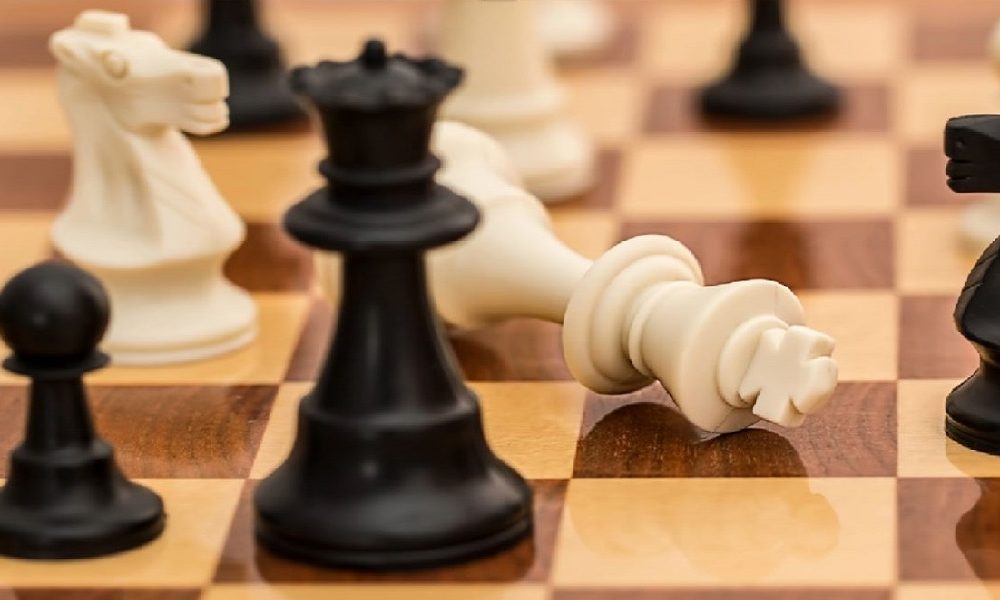
Checkmate for Joy: Why July 20 Is the World’s Biggest Day for Chess
International Chess Day celebrates a game that continues to connect millions of people across the globe.
Every year on July 20, chess enthusiasts around the world celebrate International Chess Day, a tribute to one of humanity’s oldest and most beloved strategy games. The date marks the founding of the International Chess Federation (FIDE) on July 20, 1924 in Paris. The idea for International Chess Day was proposed by UNESCO, and FIDE established the annual observance in 1966 to mark its anniversary while promoting chess and its educational, cultural, and social benefits around the world.
How International Chess Day Became a Global Celebration
What began as an initiative within the chess community has grown into a worldwide celebration. Each July 20, chess organizations, schools, clubs, and communities around the world mark the occasion with tournaments, exhibitions, educational activities, and online events. According to the United Nations, the day celebrates chess as a game that promotes dialogue, solidarity, mutual respect, and understanding across cultures, generations, and borders.
The popularity of the celebration has grown alongside the rise of online chess platforms, allowing millions of players to participate regardless of where they live. In 2012, FIDE estimated that around 605 million people worldwide had played chess during the previous year. Accurately measuring the size of today’s global chess community remains difficult. Nevertheless, millions of people on every continent enjoy this timeless pastime. This makes it one of the world’s most widely played and recognized board games.
World Chess Day: Is It the Same Thing?
Today, International Chess Day and World Chess Day are celebrated on the same date and refer to the same global observance.
In 2019, the United Nations General Assembly officially proclaimed July 20 as World Chess Day, recognizing chess as an inclusive activity that fosters fairness, education, and international cooperation. Rather than creating a separate celebration, the United Nations elevated the long-standing International Chess Day by giving it official global recognition. The UN resolution acknowledges the educational, cultural, and social value of chess while encouraging countries to promote the game.
More Than Just Winning
Chess offers much more than exciting competition. Research in educational and cognitive studies suggests that playing chess may help strengthen concentration, problem-solving, and planning skills. It may also support aspects of memory and creative thinking, although the strength of these effects varies across studies. In many countries, the game is used in educational programs and classrooms to help students develop skills such as critical thinking and persistence. Education advocates sometimes also relate chess to broader educational principles such as lifelong learning, a concept widely promoted in UNESCO’s work.
Celebrate Your Next Move
Whether you’re a seasoned tournament player or someone learning how the knight moves for the very first time, July 20 is an invitation to sit down at a chessboard. It is a chance to discover an enduring tradition that has inspired people for centuries.
You could teach a child the basics, challenge a friend, visit a local chess club, or solve a daily puzzle. You could even join one of the many online tournaments held in honor of the occasion. Every move celebrates not only a remarkable game but also the friendships, curiosity, and lifelong learning that chess inspires.
This International Chess Day, also proudly recognized worldwide as UN World Chess Day, remember that every great game begins with a single move.